
One footprint. Every record. Nothing dropped.
RP-DTARI is the real property audit-readiness program of the California Army National Guard — a digital twin of the state's military footprint, built so that every asset the Guard holds can be found, proven, and defended in front of an auditor. If it stands on California Guard ground, it stands in this book: requested, vouchered, filed, and accounted for.
One footprint
Armories, training sites, airfields, leases — one register holds the whole footprint, site by site and asset by asset, so the book and the ground agree with each other.
See the public planning view →Every record
Every asset carries its own electronic facility file — thirteen shelves of evidence, with the retention rule for each shelf stated on its face. Nothing lives in somebody's inbox. Nothing lives in somebody's memory.
See it in the demo →Nothing dropped
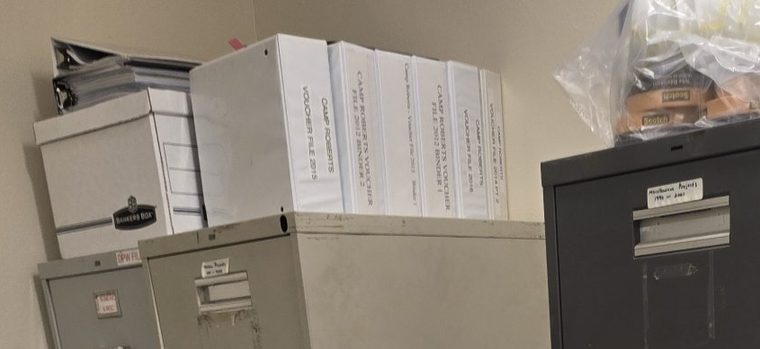
Money moves on a voucher, and every voucher is accounted for. The register mirrors the voucher log row for row — if it isn't in the book, it didn't happen; if it happened, it's in the book.
Why this page exists →Every site has a history. We keep that too.
The footprint wasn't issued — it was inherited, deed by deed, from missions, ranchos, and wartime training cities. Each site in this program carries its history on its own page, written from sourced records. These three lead the build:
Camp Roberts
Named for Corporal Harold W. Roberts, a World War I tank driver who gave his gunner the only way out of a drowning tank. It remains the only Army post still in operation named for a non-commissioned officer — and 436,000 soldiers trained here in World War II alone.
Read its history →Camp San Luis Obispo
First called Camp Merriam, in 1928 — the California National Guard's first training camp of its own. Nearly a century on, it is still the Guard's principal training and pre-mobilization ground in California.
Read its history →JFTB Los Alamitos
Rancho land the Bixby family held for some ninety years, bought by the Navy in the 1940s at $300 an acre and commissioned as a Naval Air Station on 31 May 1942. The rancho names are still the first links in the chains of title our specialists walk.
Read its history →Proof, not promises
The audit cycle
Transfers and disposals are built on the program's own form builders — a DD Form 1354 or a DA Form 337, dressed the way the program files them, checked against the voucher log before they ever leave the building.
Build a 1354 →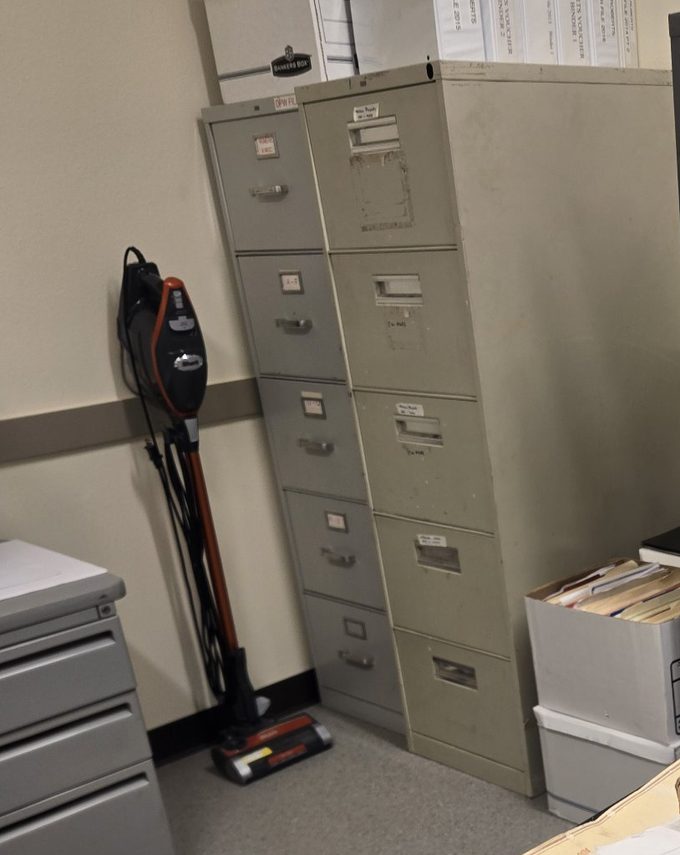
The EFIF
Thirteen shelves per asset — history, inspections, environmental, contracts, the works — each shelf carrying its retention rule on its face, so a file can be audited by a stranger and still make sense.
Open an example file →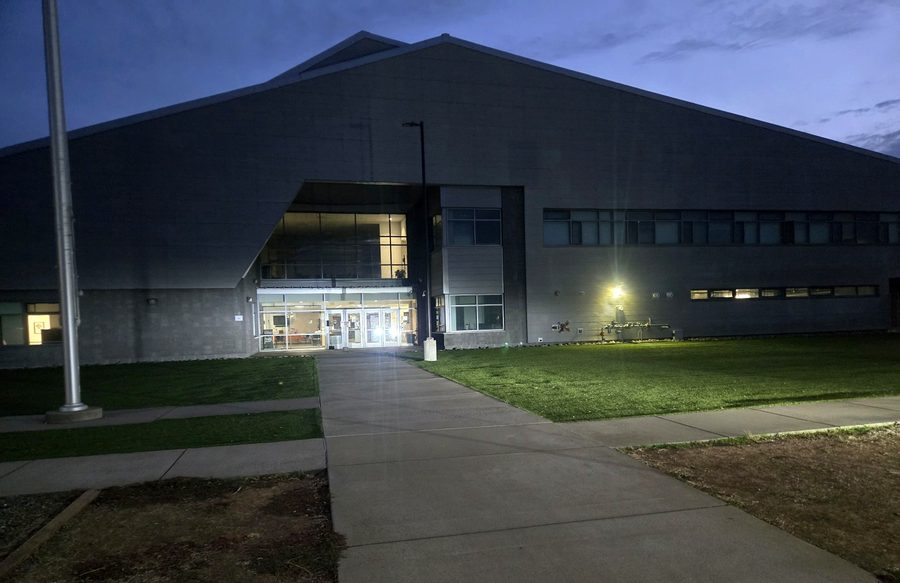
GIS — the footprint, mapped
Every site is placed on the map and verified against the ground it claims. The public planning view shows where California's Guard actually stands — and where it is headed next.
See the planning view →Where to go from here
Work with the program
Request program access, track your paper, or send a document too large for email through the DoD SAFE drop-off.
Request access →Track a request →
Nothing Dropped — the store
The training, templates, and field tools built by the same hands that keep this book — the paperwork library, the 1354 clinic, and the Founders launch on December 4.
nothing-dropped.com →Tell us what you see
A broken link, a wrong figure, a record that doesn't match the ground — the book gets better when somebody says so.
Send feedback →